
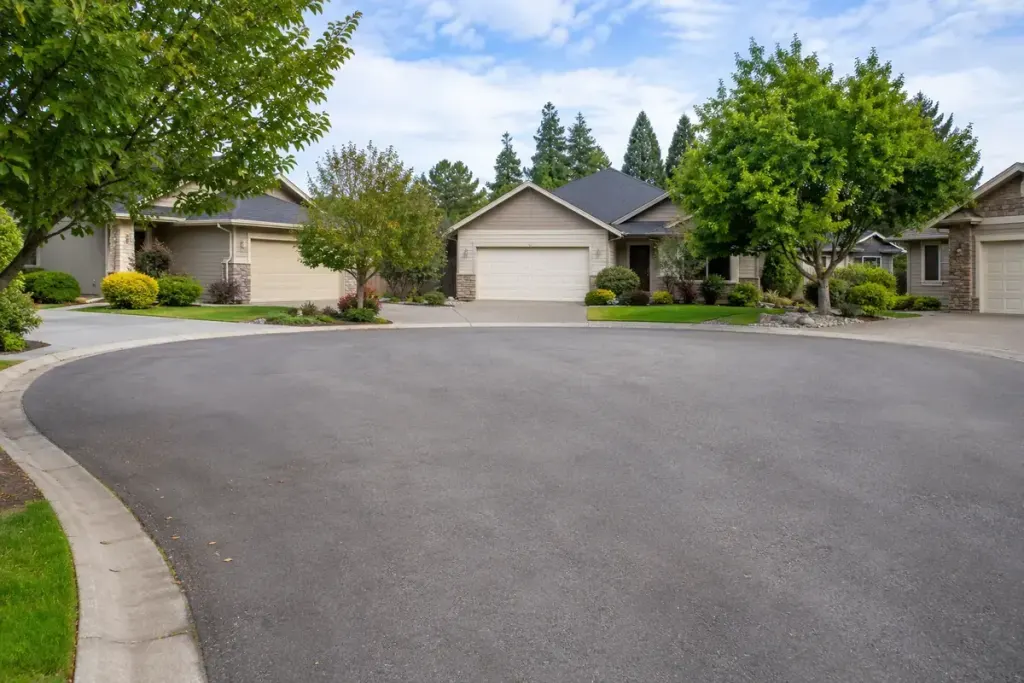
A cul-de-sac can look peaceful in a listing photograph, particularly when the turning area is empty. During a viewing, spend a few minutes observing how that space actually works on an ordinary day.
This is a practical viewing exercise, not a way to decide legal parking rights from the pavement. Separate what you see from what still needs confirmation in the property documents or with the relevant local authority.
Walk the last part of the arrival
Stand where a visitor would first look for the address. Can the house number be read? Follow the route from the street to the driveway and front door. Notice whether parked cars obscure a narrow entrance or force pedestrians into the turning area.
If you are attending in your own vehicle, use only permitted parking and ordinary, safe manoeuvres. There is no need to block the street to test a hypothetical problem. A photograph from a lawful position and a note of the time can help you compare this visit with another.
Ask about recurring movements
- Where are refuse containers presented on collection day?
- Where do larger deliveries normally stop?
- Does the driveway remain easy to enter when neighbouring spaces are occupied?
- Is any part of the access privately maintained, and what documents describe that arrangement?
A seller’s explanation is useful context, but record documentary questions separately. A space that residents informally leave empty is not necessarily a space you have a right to use. Likewise, a turning head that looks like spare parking may serve an access function.
Visit again at a different time if access is important to your decision. The aim is not to assume that a quiet street has a hidden problem. It is to understand the trade-off accurately: the attractive location, the actual arrival route and the arrangements that keep it working. Add those observations to the same shortlist sheet you use for the rooms inside the house.