
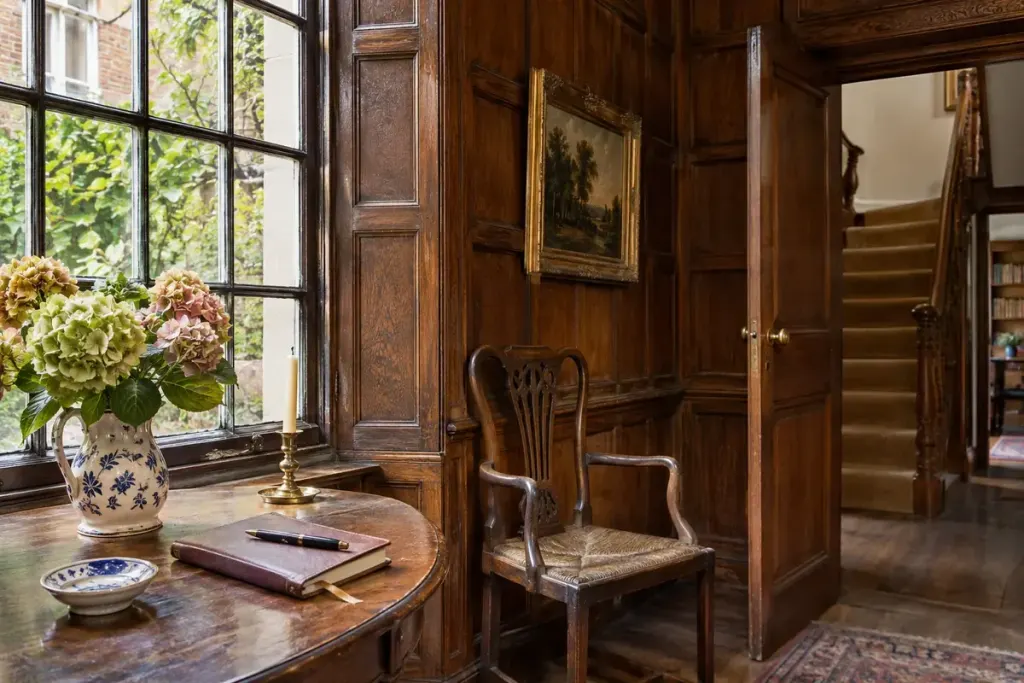
“We are only changing the inside” is not enough to settle an alteration question in a listed home. Original partitions, stairs, doors and other interior features may be part of what makes the building significant.
For England, government planning guidance explains that listing normally covers the whole building, inside and out, unless the entry indicates otherwise. Works affecting its special architectural or historic character can require listed-building consent, whether or not ordinary planning permission is also needed.
Turn a renovation idea into a specific enquiry
Start with a description that someone else can assess. “Modernise downstairs” is too vague. “Remove this partition between the rear room and the hall, retaining this doorway” gives a conservation officer or experienced adviser something concrete to discuss.
Bring a current plan, photographs from both sides, and the list entry. Mark what is known and what remains uncertain. A wall that looks recent may conceal older fabric; a short list description is not a complete schedule of everything protected.
Historic England’s advice on internal layouts recommends considering the historic arrangement and obtaining appropriate professional help. That is particularly useful before a purchase when the home only works for you if a particular alteration is possible.
A viewing note that leads somewhere
Imagine a buyer who needs a larger ground-floor room. A useful note would separate three questions: what change is desired, what evidence exists about the present layout, and who will establish the consent requirements. It should not record “agent says fine” as if that were an approval.
Ask for documents relating to previous alterations as part of professional due diligence. Their existence, scope and conditions matter more than a reassuring description of the work.
Do not start affected works while the consent position is unresolved. Unauthorised alterations can have serious legal consequences. The practical next step is a documented enquiry to the local planning authority, with advice suited to the property. Rules elsewhere in the UK and in other countries differ; this England-specific starting point is not a universal renovation rule.