
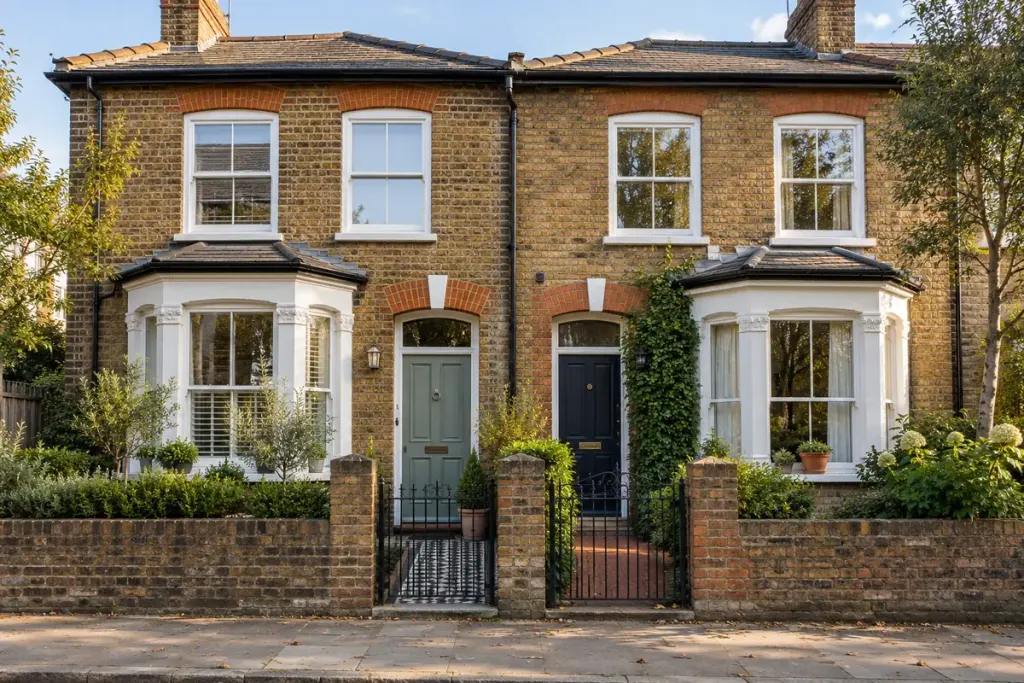
A proposed extension can raise several questions that sound like one neighbour dispute: where is the boundary, what work is permitted, and what notice must be given before construction? In England and Wales, party wall procedures address a particular set of building-work issues. They do not turn a builder’s sketch into a boundary survey.
This article concerns England and Wales. It should not be applied as a statement of Colorado law or of the rules in another country.
Separate the paperwork by purpose
The UK government’s party wall overview explains that the arrangements can involve shared walls and certain other structures. It also distinguishes party wall agreements from planning permission and building regulations approval. One completed process does not automatically complete the others.
Its work-notification guidance identifies examples such as work on an existing party structure and some excavation near a neighbour’s foundations. Whether a specific proposal falls within the Act needs to be checked against the actual design and circumstances.
A practical file for an adjoining-property project
- Keep the current drawings, with a version date, rather than a mixture of abandoned layouts.
- Record which ownership or boundary question remains unresolved.
- Keep notices, replies and any agreement or award together.
- List planning and building-control documents separately so their status is clear.
For example, an owner may have permission for an extension yet still need advice about excavation beside the adjoining building. Conversely, a friendly discussion over the fence does not establish the exact legal boundary. Describing these as separate questions helps the appropriate professional address each one.
Do not copy a notice from a different kind of project and assume its timing or wording fits. Obtain qualified advice where the work, ownership or procedure is uncertain, especially before excavation begins. A useful first conversation includes the proposed work and the unanswered question—not simply the assertion that a neighbour has already agreed.