Home improvements can make a property more attractive, functional, and competitive without requiring a complete renovation. The key is to invest in projects that buyers notice immediately and value highly.
Kitchen upgrades and curb appeal often have the strongest influence on first impressions. However, improvements to bathrooms, flooring, lighting, and energy efficiency can also help a home stand out in a competitive market.
The following five projects offer practical ways to increase a home’s perceived value while keeping renovation costs under control.
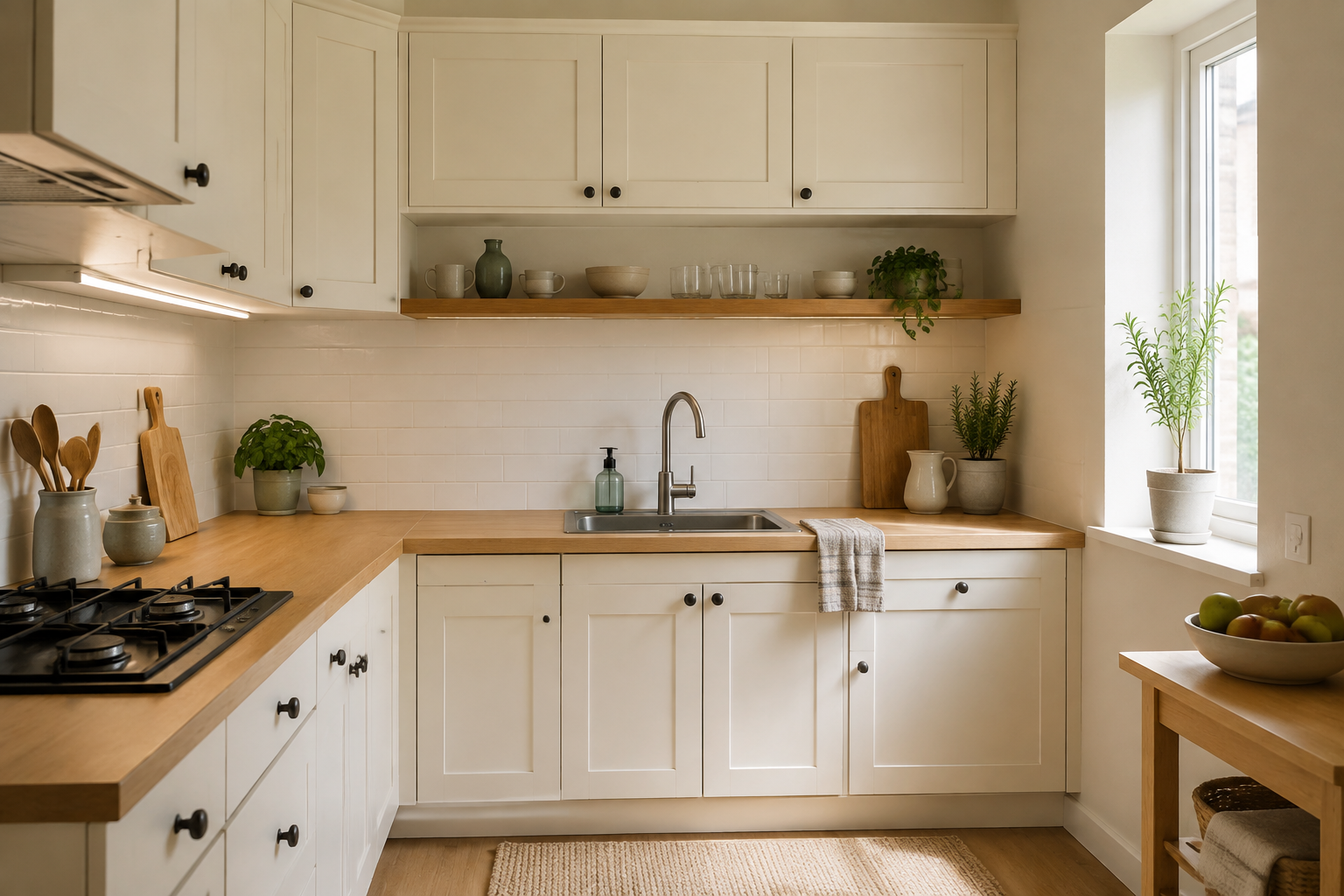
1. Upgrade the Kitchen Without a Complete Remodel
The kitchen is one of the first areas buyers evaluate. It is not simply a place for preparing meals; it is also a central space for gathering, entertaining, and everyday family life.
A dated kitchen can make the entire property feel older. Fortunately, homeowners do not always need to remove every cabinet or replace the entire layout to achieve a valuable transformation.
Strategic updates can deliver an impressive home improvement ROI when they focus on the features buyers see and use most.
Refinish or Repaint Existing Cabinets
Cabinet replacement can consume a large portion of a renovation budget. If the cabinet boxes are structurally sound, repainting or refinishing them is often a more economical solution.
Neutral shades such as soft white, warm beige, muted gray, or natural wood tones can make the kitchen appear brighter and more spacious. These colors also allow potential buyers to imagine their own furniture and decorations in the room.
Replacing old handles, knobs, and hinges can complete the update. Brushed nickel, matte black, and understated brass hardware can add a contemporary finish without making the design excessively trendy.
Replace Worn Countertops
Countertops occupy a large visual area, so stained, cracked, or outdated surfaces can significantly affect a buyer’s perception.
Quartz, granite, and durable composite materials are popular because they combine visual appeal with manageable maintenance. Homeowners working with a smaller budget can consider modern laminate or butcher-block surfaces, provided they complement the overall kitchen design.
Select a countertop that works with the cabinets, flooring, and backsplash. A coordinated appearance generally creates more value than expensive materials installed without a consistent design.
Improve the Backsplash and Lighting
A clean backsplash can become an attractive focal point. Simple subway tiles, natural stone patterns, or understated geometric designs can refresh the room without overwhelming it.
Lighting is equally important. Replace dim fixtures with bright, energy-efficient options and install task lighting beneath upper cabinets when possible. Good illumination makes work surfaces more practical and helps the kitchen look cleaner during property viewings.
These targeted kitchen renovation ideas can create a noticeable transformation at a fraction of the cost of a full structural remodel.
Update Appliances Selectively
Matching appliances can give the kitchen a polished appearance, but replacing every appliance may not be necessary. Prioritize units that are visibly damaged, inefficient, unreliable, or clearly outdated.
Choose finishes that coordinate with the room. Stainless steel remains versatile, while integrated or panel-ready designs can suit more premium properties.
Avoid buying highly specialized appliances unless they align with the expectations of the local market. Broadly useful features usually appeal to more buyers.
2. Strengthen Curb Appeal for a Better First Impression
A prospective buyer begins forming an opinion before entering the house. The driveway, lawn, front door, exterior walls, and landscaping all contribute to the property’s perceived condition.
Strong curb appeal communicates that the home has been cared for. Neglected landscaping or peeling paint can make buyers wonder whether more serious maintenance problems exist inside.
Among the most practical real estate tips for homeowners is to view the exterior from a buyer’s perspective. Walk across the street and identify anything that appears dirty, damaged, overgrown, or visually unbalanced.
Refresh the Front Door
The front door naturally draws attention, making it one of the most cost-effective exterior upgrades.
A new coat of paint can restore a faded but functional door. Deep blue, forest green, black, and warm red can create character, although the chosen color should complement the siding and roof.
Replace rusted hardware, clean the surrounding trim, and confirm that the door opens smoothly. A modern porch light and clearly visible house numbers can further strengthen the entrance.
Simplify the Landscaping
An attractive landscape does not need to be complicated. Buyers often prefer a neat, low-maintenance outdoor area over a garden that requires extensive care.
Trim overgrown shrubs, remove weeds, edge the lawn, and replace dead plants. Add mulch around flower beds to create clean boundaries and retain soil moisture.
Select plants that suit the local climate. Healthy native or climate-appropriate varieties often require less water and maintenance, making them appealing to buyers who want an attractive yard without constant upkeep.
Clean and Repair Exterior Surfaces
Dirt, mildew, cracked pathways, and peeling finishes can make a property appear older than it is. Pressure washing suitable surfaces may quickly improve siding, patios, fences, and driveways.
Repair loose steps, damaged railings, and obvious cracks. These details influence both appearance and safety.
A clean exterior supports faster property value growth because it reduces the number of visible issues buyers may use during price negotiations.
Improve Outdoor Lighting
Exterior lighting can make an entrance feel more welcoming while improving nighttime safety. Install functional lights near doors, walkways, steps, and parking areas.
Fixtures should match the architectural character of the house. Warm, balanced illumination usually feels more inviting than overly bright lighting.
Solar path lights may provide an affordable finishing touch, although permanently wired fixtures generally appear more substantial around key entry points.
3. Modernize the Bathroom With Targeted Changes
Bathrooms strongly influence how buyers judge cleanliness and maintenance. Moldy sealant, poor lighting, dripping taps, and damaged finishes can make even a functional bathroom feel undesirable.
A focused renovation can improve the room without relocating plumbing or changing its entire footprint.
Replace Outdated Fixtures
Begin with visibly worn items such as faucets, showerheads, towel bars, cabinet handles, and light fixtures. Using a consistent metal finish helps the room feel intentionally designed.
Water-efficient fixtures can also appeal to buyers who want lower utility consumption. However, performance should remain a priority, especially for showerheads and taps.
Refresh Grout, Sealant, and Walls
Discolored grout and deteriorated sealant create an impression of poor hygiene. Thorough cleaning, grout restoration, and fresh waterproof sealant can provide an immediate visual improvement.
Use moisture-resistant paint on walls and ceilings. Light neutral colors can reflect more illumination and help smaller bathrooms feel open.
These relatively affordable changes are often recommended in property renovation strategies because they address highly visible problems without requiring major construction.
Upgrade the Vanity and Mirror
A modern vanity can improve both storage and appearance. If replacement is unnecessary, repaint the existing cabinet and install new hardware.
Add a mirror that is properly proportioned to the vanity. Improved lighting around or above the mirror can make the space more functional and attractive.
Keep countertops mostly clear during viewings. A tidy bathroom helps buyers focus on space and condition rather than personal belongings.
4. Refresh Flooring, Paint, and Interior Lighting
Buyers tend to evaluate the home as a complete visual experience. Inconsistent flooring, heavily marked walls, and dark rooms can interrupt that experience and make the interior feel poorly maintained.
Coordinating these foundational elements can make the property appear cleaner and more cohesive.
Repair or Replace Damaged Flooring
Flooring does not need to be luxurious, but it should be clean, stable, and appropriate for the room.
Refinish hardwood floors when possible instead of replacing them. For damaged carpet, professional cleaning may be sufficient if the material remains in good condition. Otherwise, replacement with a neutral option may prevent buyers from mentally deducting repair costs.
Luxury vinyl plank and quality laminate can be practical choices in certain homes because they offer durability and a consistent appearance. The best material depends on the property’s price range and buyer expectations.
Apply a Neutral Color Palette
Fresh paint is one of the simplest ways to improve a home before listing. It covers minor scuffs, brightens rooms, and creates a cleaner background for furnishings.
Warm whites, soft greige tones, and restrained earth colors generally appeal to a broad audience. They also allow rooms to flow naturally from one area to another.
Bold colors can work as accents, but using them across large walls may narrow the buyer pool. When the goal is to increase property value efficiently, versatility is usually more valuable than highly personal styling.
Replace Weak or Outdated Lighting
Dark rooms often look smaller and less inviting. Replace broken fixtures, clean dusty covers, and use bulbs with consistent color temperatures throughout connected spaces.
Layer ambient, task, and accent lighting where appropriate. A kitchen needs practical task lighting, while living areas benefit from softer illumination and well-positioned lamps.
Open curtains and trim exterior plants that block windows. Natural light remains one of the most effective ways to improve how an interior feels.
5. Improve Energy Efficiency and Essential Maintenance
Decorative changes may attract attention, but buyers also care about operating costs and long-term reliability. A beautiful home can lose appeal when it has drafts, inefficient systems, or unresolved maintenance problems.
Energy and maintenance upgrades may not always be dramatic in photographs, yet they can make buyers more confident about the property.
Seal Air Leaks and Improve Insulation
Gaps around windows, doors, and utility penetrations can reduce indoor comfort. Weatherstripping and appropriate sealants provide affordable ways to address minor leaks.
Insulation improvements may be worthwhile when the attic or other accessible areas are below current expectations. The benefit is especially relevant in regions with very hot summers or cold winters.
Keep documentation for completed work. Buyers may appreciate knowing when insulation, windows, or major systems were upgraded.
Install Efficient Controls and Fixtures
Programmable or smart thermostats can make temperature management easier. LED lighting and efficient water fixtures may also reduce routine consumption.
Smart devices should be intuitive and transferable to the next owner. Complicated systems that require unusual subscriptions or proprietary accounts can create unnecessary concerns.
Practical high-ROI home upgrades should make everyday living simpler rather than adding technology solely for novelty.
Address Repairs Before Cosmetic Work
A leaking roof, foundation movement, unsafe wiring, plumbing problems, or moisture intrusion should take priority over decorative changes.
Buyers may overlook an unfashionable paint color, but they are less likely to ignore signs of water damage or structural instability. Unresolved defects can also cause difficulties during inspection and financing.
Have qualified professionals evaluate problems that involve structure, electricity, plumbing, roofing, or environmental hazards. Correct repairs protect the property and reduce the risk of expensive surprises.
How to Prioritize Projects for the Best Return
Not every property needs all five improvements. The right priorities depend on the home’s current condition, neighborhood standards, target buyer, and expected selling price.
Begin with defects that could affect safety, financing, or an inspection. Then address highly visible areas such as the exterior entrance, kitchen, bathrooms, flooring, and paint.
Avoid renovating far beyond the standard of nearby homes. Premium materials may not produce a matching increase in sale price when buyers in the area do not expect them.
Create a realistic budget and reserve part of it for unexpected repairs. Comparing projected costs with local buyer preferences can lead to better decisions than following national design trends alone.
For owners planning to sell soon, professional home selling guidance can help identify which improvements are most likely to influence local buyers.
Final Thoughts
The fastest way to improve a property’s market appeal is to combine visible transformation with practical maintenance. A refreshed kitchen can become the centerpiece of the interior, while stronger curb appeal helps create a positive first impression before buyers enter.
Bathroom updates, consistent flooring, neutral paint, better lighting, and energy-conscious improvements can strengthen the overall result. Each project should feel appropriate for the home rather than excessively customized.
Most importantly, prioritize quality execution. A smaller number of well-finished upgrades will usually create more confidence than numerous rushed renovations. With careful planning, homeowners can improve daily comfort, attract more buyers, and increase property value without committing to a complete rebuild.
Related Posts

How to Stage Your Home to Sell Quickly and for Top Dollar
How to Stage Your Home to Sell Quickly and for…

Renovation and Maintenance Guide to Keep Old Houses Sturdy and Livable
An old house can remain safe, comfortable, and attractive for…
Minimalist Kitchen Renovation Ideas on a Budget
A beautiful and functional kitchen does not always require a…